

Enjoyed this recipe? Add us to your Google Search Preferred Sources:
Homemade tahini is a silky sesame seed paste made with one ingredient: sesame seeds. This recipe gives you the slower, no-oil method, a quicker version with neutral oil, and notes on red tahina from Gaza.
Estimated reading time: 11 minutes
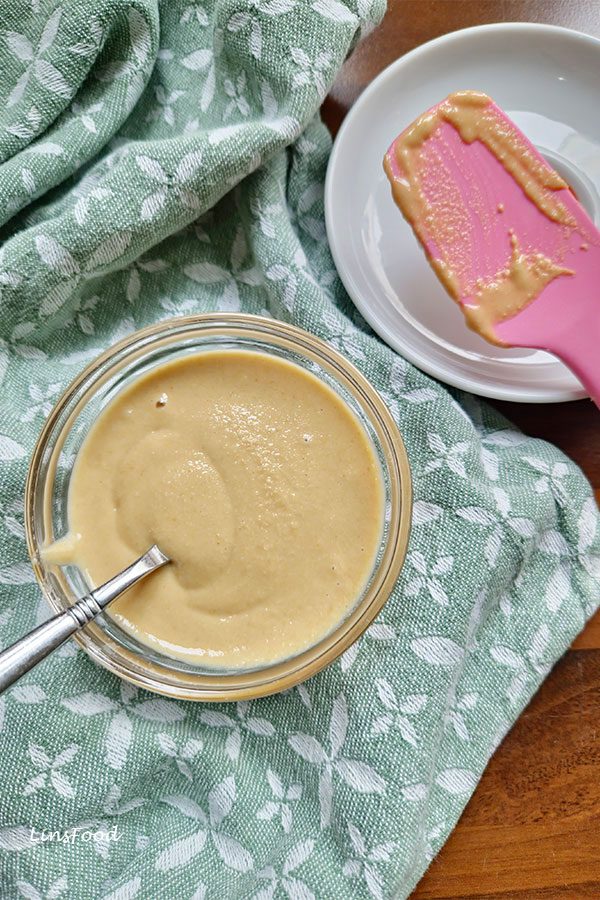
What is Tahini?
Tahini is a smooth paste made from ground sesame seeds. Think of it as sesame seed butter, only less “spread it on toast” and more “this quietly holds half the Middle Eastern pantry together”.
It’s used across the Middle East, North Africa, the Eastern Mediterranean and beyond, in everything from hummus, mutabal and tahini sauce to dressings, sweets, marinades and stews.
You’ll also see it written as tahina, tahini, tehina or tahineh, depending on language, region and transliteration. Same sesame family. Different spelling wardrobe.
At its simplest, tahini only needs sesame seeds. Some homemade versions add a little neutral oil to help the seeds blend more easily, especially if your food processor is being a diva.
Like the sesame seeds it’s made from, tahini is naturally rich in plant fats, which is part of what gives it that creamy texture and satisfying flavour.
Is Tahini the Same as Tahini Sauce?
No, and this is where people often get tangled.
Tahini is the plain sesame paste. It’s thick, rich, nutty and usually unsalted.
Tahini sauce is made by mixing tahini with liquid and seasonings, usually lemon juice, water, garlic and salt. Sometimes cumin joins in. Sometimes herbs. Sometimes chilli. Tahini sauce is what you drizzle over falafel, grilled meat, roasted vegetables, fish, shawarma-style dishes, salads or grain bowls.
So, for this recipe, we’re making the base ingredient: homemade tahini. Once you have that, you can turn it into tahini sauce in about two minutes.
Red Tahini (aka Red Tahina) from Gaza
In Gaza, Palestine, you’ll find two types of tahini: the usual pale beige tahini and a darker, brownish-red tahina, often called red tahini or red tahina.
The colour doesn’t come from tomatoes, peppers or anything red being added. It comes from the sesame seeds. Pale tahini is usually made with lightly roasted or steam-roasted sesame seeds, while red tahina is made by roasting the sesame seeds for much longer, often over direct heat. That longer roasting gives the tahina its rusty colour and deeper flavour.
Red tahina has a nuttier aroma, a stronger toasted sesame flavour and a little more bite. You know how regular tahini has that faint bitter trace at the end? In red tahina, that note is slightly more pronounced, but still balanced. It’s not harsh. Just deeper, roastier, more grown-up sesame.
At home, you can get closer to that flavour by dry-toasting your sesame seeds for longer, as we’re doing here. For my everyday darker tahini, I roast the seeds for about 30 minutes on the lowest heat possible. For something closer to red tahina, I go for up to an hour, keeping the heat low and shaking the pan regularly.
And for a quick cheat, stir 1 tsp toasted sesame oil into 100g tahini. It won’t be the same as Gazan red tahina, but it does nudge regular tahini towards that deeper, toastier flavour.
There’s also black tahini, but that’s a post for another day.
The Recipe
There are two ways to make tahini at home.
The first is the purist version: sesame seeds only. This takes a little longer, but gives you clean, true sesame flavour.
The second is the easier version: sesame seeds plus a little neutral oil. This helps the mixture loosen more quickly and makes blending easier, especially if your machine isn’t very powerful.
Both work.
For the smoothest, palest tahini, use hulled white sesame seeds. For a deeper, slightly more bitter tahini, use unhulled sesame seeds. I usually prefer hulled for everyday tahini because it gives a softer, creamier result.
What you’ll be doing
- Toast the sesame seeds gently in a dry pan.
- Tip them into a food processor.
- Blend until the seeds turn from crumbs to paste.
- Keep going until the tahini becomes as smooth as your machine will allow.
- Add oil only if you want a quicker or looser tahini.
The main trick is patience. Sesame seeds go through stages: whole seeds, sandy crumbs, damp-looking clumps, thick paste, then finally a smoother tahini. Don’t panic halfway through. It always looks like it’s not going to happen, then suddenly it gets the idea.
How use Tahini beyond Hummus
Tahini is much more than “that thing that goes into hummus”. It’s creamy, nutty, slightly bitter and brilliant in both savoury and sweet recipes. Homemade tahini is an ingredient rather than a finished dip, although nobody is stopping you from dragging warm bread through it if the mood strikes.
Use it in hummus, mutabal or baba ghanoush-style dips, tahini sauce, salad dressings, roasted vegetable sauces, falafel wraps, grain bowls and marinades for chicken, fish, tofu or vegetables. It’s especially good with lemon, garlic, cumin, chilli, yoghurt, herbs and roasted vegetables.
It’s also lovely in sweet things and works beautifully with chocolate, dates, honey, maple syrup, bananas and warm spices. Add it to brownies, halvas, cookies, cakes, overnight oats or porridge. Or do the laziest, loveliest thing: swirl tahini with date syrup or honey and eat it with warm bread.
And if you’re making tahini sauce, loosen the tahini with cold water, lemon juice and salt. It’ll seize at first and look like it’s having a small crisis, then smooth out as you keep whisking. Very dramatic. Very normal.
There are many traditional recipes that use tahini as an ingredient. We have a few here on LinsFood, like:

Stove or oven?
I prefer the stove because you can watch the colour closely and shake the pan often. Sesame seeds are tiny. They go from “gently toasted” to “bummer” very quickly.
For a pale tahini, toast them for about 10 minutes on very low heat, stirring or shaking the pan regularly.
For a darker version, I go closer to 30 minutes, still on the lowest heat.
For something that leans towards red tahina territory, you can roast for longer, but keep the heat low and stay with it. This is not the moment to wander off and reorganise the spice drawer. As one does.
Ingredients
Sesame seeds
Use raw sesame seeds if you can, then toast them yourself. This gives you more control over flavour and colour.
Hulled sesame seeds give you a lighter, smoother tahini with a milder flavour.
Unhulled sesame seeds give you a darker, slightly more bitter tahini with a rougher texture. Some people love that deeper flavour, but for most everyday uses, hulled seeds are easier to work with.
Oil, optional
You don’t need oil to make tahini, but you can add it if you want the process to move faster or your food processor is struggling.
Use a neutral oil such as sunflower, vegetable, rapeseed or light sesame oil (but not too much). Avoid olive oil here because it brings its own flavour and can pull the tahini in a completely different direction.
For this recipe, use 2-3 Tbsp neutral oil per 200g sesame seeds, only if needed.
Salt?
I don’t add salt because I want to use it in both sweet and savoury recipes. Add salt later when you turn it into sauce, dressing, hummus or anything else.

How to Store
Store homemade tahini in a clean, airtight jar in the fridge for up to 1 month.
It may separate as it sits, with oil rising to the top. That’s normal. Just stir it before using.
If it smells stale, musty or rancid, or if you see mould or discolouration, bin it and make a fresh batch. Seeds and nuts contain oils, and oils don’t last forever, however optimistic we may be.
Tahini will thicken in the fridge. Let it sit at room temperature for a few minutes before using, or stir in a little warm water if you’re turning it into sauce.
Variations (to sum up)
No-oil
Use only sesame seeds and blend for longer. This gives you the cleanest flavour, but the texture depends on your machine.
The quick version with oil
Add 2–3 Tbsp neutral oil to help the seeds turn into a paste more quickly. This is useful if your processor is small or not especially powerful.
Darker roasted tahini
Toast the sesame seeds for longer over low heat. The tahini will be darker, nuttier and slightly more bitter.
Red tahina-style
Toast the sesame seeds more deeply and stir in a tiny amount of toasted sesame oil at the end. It won’t be the same as Gazan red tahina, but it gives you a richer, toastier homemade version.
Black sesame tahini
Use black sesame seeds for a dramatic black tahini with a stronger flavour. Different mood altogether. Very beautiful. Slightly gothic sesame, if you will.
Troubleshooting Homemade Tahini
Why isn’t my tahini smooth?
Your food processor may not be powerful enough, or there may not be enough sesame seeds in the bowl for the blade to catch properly. Scrape down the sides often and keep blending. If it still won’t loosen, add 1 Tbsp neutral oil and continue.
Why is my tahini bitter?
A little bitterness is normal. Too much bitterness usually comes from over-roasted sesame seeds, old seeds, or unhulled sesame seeds. Use fresh hulled seeds and toast them gently.
Why is my tahini dry or crumbly?
It probably needs more blending time. Sesame seeds release their oils slowly. Keep going. If your machine heats up, pause for a minute, scrape down the sides, then continue.
Can I use a blender?
Yes, if it’s a high-powered blender. A smaller food processor is often easier because the seeds sit closer to the blade; that’s what I’m using in the video. With a blender, you’ll need to stop and scrape often.
A blender is perfect if you are making a huge quantity though.
Can I make tahini in a mortar and pestle?
Technically, yes. Mentally, maybe not. It’ll take time and effort, but it’s possible.


Yes. Traditional tahini can be made with sesame seeds only. It takes longer to blend, but the seeds will eventually release their natural oils and turn into a paste.
You don’t absolutely have to, but toasting gives a better flavour. Keep the heat low and stir often so the seeds don’t burn.
Use hulled sesame seeds for a lighter, smoother and milder tahini. Unhulled sesame seeds make a darker, slightly rougher version with a more bitter finish.
It lasts for up to 1 month in a clean, airtight jar in the fridge. Stir before using, as natural separation is normal.
Homemade sesame paste is best kept in the fridge because it doesn’t contain preservatives and sesame seeds are naturally rich in oil. Refrigeration helps keep it fresher for longer.
Tahini is a type of sesame paste, but not all sesame pastes are are created equal. Middle Eastern tahini is usually made from hulled sesame seeds and has a lighter flavour, while Chinese sesame paste is often made with more deeply roasted sesame seeds and tastes stronger.
I wouldn’t. Olive oil changes the flavour too much. Use a neutral oil if you want to loosen it.
Red tahina is a darker, roastier sesame paste especially associated with Gaza in Palestine. Its colour and deeper flavour come from longer roasting, not from added red ingredients.
Natural separation is completely normal. Stir it well before using, just as you would with natural peanut butter or almond butter.
Yes. It works beautifully with honey, date syrup, chocolate, caramel, bananas and warm spices. It’s excellent in cookies, brownies, cakes and halva-style sweets.
Final Word
And there you have it. Homemade tahini is one of those small kitchen things that makes a surprising difference. It’s just sesame seeds, heat, patience and a food processor doing its little mechanical song, but the result is richer and fresher than most jars.
Make it pale and mild, take it darker and nuttier, or play with a red tahina-style version when you want something deeper. Either way, once you’ve made your own, that half-forgotten supermarket jar may start looking a little nervous.
If you enjoy the recipe, drop me a comment and let me know. And if you are feeling like a star, don’t forget that 5-star rating!😉
If you make this recipe, post it on Instagram and tag me @azlinbloor.
Lin xx

Homemade Tahini Recipe
Ingredients
- 200 g raw sesame seeds
Optional for a quicker process
- 2-3 Tbsp neutral flavoured oil (I don't use this) for a quicker process
Instructions
- Tip the sesame seeds into a large frying pan and dry roast on the lowest heat setting for 10 minutes, regularly shaking the pan to ensure all the seeds get a chance at being roasted.I personally like to go 30 minutes for a darker shade of tahini with a deeper flavour.But if you don't have the patience, go for 10 minutes.
- When done, tip the seeds into a small – medium food processor and process for 7 – 10 minutes until the seeds are completely broken down and have become a paste, like peanut butter (you're in effect making sesame butter).Read the article above on the explanation for this and watch the video.
Method 2 – adding oil
- If you are too impatient for the 7 – 10 minutes, you can add 2 – 3 Tbsp of a neutral flavoured oil to hurry the process along. You'll get to the paste-like stage much quicker.
Notes
- Tahini is definitely best kept in the fridge as its high oil content.
- I store nuts and seeds in the fridge too, for the same reason, they go rancid easily.
- For a darker tahini, roast the sesame seeds for longer over very low heat. For a red tahina-style flavour, stir 1 tsp toasted sesame oil into 100g finished tahini. See article.
Nutrition
Enjoyed this recipe? Add us to your Google Search Preferred Sources:


Awesome post! Who knew there were so many types of tahini? I’m a hummus fanatic, and now I’m tempted to try making my own tahini. Thanks for sharing!
My pleasure, thank you, Suzlin.
I’ve always wanted to try making my own tahini at home, and this recipe was a total game-changer! The instructions were so easy to follow, and the results were incredible
That’s awesome, Savita!
I’ve been wanting to try making tahini at home for so long. Thank you for this.
My pleasure, Jamie.
This was so easy to make, thank you so much!
My pleasure, Amy.
Going to try this at the weekend. Thank you!
Anytime.